The battery is the heart of any electrical system because an uninterrupted power supply is needed for controlling electrical equipment. Batteries are used as the electric power in them is continuously available in a storage system. Another advantage of batteries is that they are portable. The course begins by discussing electrical hazards leading to injuries such as shocks burns or even death. Hazards can lead to shipboard fires explosions and the disabling (through blackouts) of essential equipment and services on board compromising safety. Ensuring that the proper controls and mitigation measures are in place is critical for maintaining safe operations. Control measures need to be developed at the organizational technical and individual levels to be effective. Organizations must ensure that control measures work practices and procedures are in place to eliminate electrical hazards. Although policies and procedures provide for safe working practices the culture within the organization and onboard each ship must support the desired behaviors.This course also introduces you to the basics of batteries their relevance to electrical systems and their applications. We explain their components such as cases plates separators and other important features. You will learn about efficiency the causes of energy loss during charging and discharging and the methods for measuring the efficiency of a battery. We delve into primary and secondary batteries with their different characteristics and relevant examples. You will investigate alkaline and lead-acid batteries as secondary batteries from their properties and mechanisms. Explore internal resistance and the components and characteristics of opposition to the flow of current within a cell. Discover the applications of different primary and secondary batteries in addition to the attributes of sealed batteries. You will also study the plate area impurities electrolyte level overcharging undercharging temperature and conditions that affect battery performance. You will study the terminologies and techniques associated with batteries.This course teaches you the dangers of high voltage defines the benchmark for a high voltage and outlines high voltage equipment. We evaluate the factors that increase the risk of electric shock and the safety management requirements of systems. We discuss methods of rescue from electrical shocks and injuries. The course explores body impedance the means to prevent electric shock and the difference between a DC and an AC shock. Learn the essential safety measures to take when operating electrical equipment and the first aid given to a victim in an electric accident. There are standard methods of artificial respiration that you can administer to a victim of electrical shock. This course will be of significant interest to anyone seeking to learn about maintaining marine batteries and safety procedures.
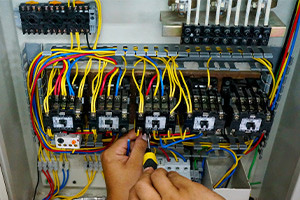
Marine Electronics - Battery Maintenance and Safety Procedures

Marine Electronics - Battery Maintenance and Safety Procedures
Sold by:
Similar Products




Sponsored
Agato Open ring in silver with zirconia AGT-R33W - Circuit: 52 mm$35.00List: $43.00





Sponsored
Captain fawcett Nourishing beard butter Bianco Classico (Beard butter) 80 ml$40.00List: $50.00

Compare prices from 3 stores

