This free online course on solar radiation and solar photovoltaic (PV) systems investigates some of the basic techniques and measures adopted by solar scientists and engineers to estimate and capture solar radiation. We begin by explaining the need for assessing and predicting the availability of solar radiation not only in different parts of planet Earth but also in extraterrestrial regions. We then study various equations and relationships that report radiation values with meteorological parameters like sunshine hours cloud cover and precipitation. In the absence of accurate sunshine data these correlations are used to estimate the monthly daily and hourly average levels of radiation available on any horizontal or inclined surface under clear or cloudy skies. With the help of examples we demonstrate how to use these equations and correlations to predict radiation availability and design efficient solar energy systems. This can help you understand some of the challenges faced by engineers and designers as the sun’s energy quickly grows in importance as the most reliable and clean available energy source. The course then moves on to the design of PV systems for the conversion of solar energy into electricity for mass consumption. This includes attention to PV cell’s construction and manufacturing process the specifications of solar modules arrays application and working principles. We also delve into the concepts of ‘doping’ fermi energy levels p-n junction drift and diffusion current band-gap energy and energy-loss mechanisms. We also unpack electrical parameters such as the current-voltage (I-V) characteristics of solar cells the effect of insolation and temperature on I-V characteristics efficiency of a solar cell equivalent circuit diagrams and theoretical maximum power. Like all systems PV conversion has its difficulties and challenges and we take you through difficulties like cell ‘mismatch’ the effect of shadows maximization of solar PV output and load matching. We provide solutions to these difficulties such as mechanical and electrical tracking and the use of bypass diodes. Finally we lay out the improvements made by different generations of PV technology.This course suits anyone with some understanding of physics light electricity and thermodynamics who would like to expand their awareness of solar energy engineering and technology. Explore this exciting field to stay at the cutting edge of the latest sustainable practices. This engineering discipline will become more and more relevant as the need to find alternative energy sources on a global scale becomes more urgent. Building a career in energy engineering or a related field can be extremely rewarding as the planet faces disaster without such professionals pushing the boundaries of what’s possible. Sign up and work towards a brighter future.
Fundamentals of Solar Radiation and Solar Cells
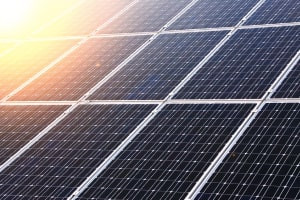
Fundamentals of Solar Radiation and Solar Cells
Sold by:
Similar Products

Sponsored
Meo fusciuni Odor 93 Extrait de Parfum - 100 ml$572.00List: $715.00

Compare prices from 2 stores



Sponsored
Daniel wellington Charming bronze bracelet Elan DW0040014 - Length: 18.5 cm$85.00List: $106.00