Did you know that English and German are both Germanic languages with close to 60% similar vocabulary? Both languages stem from an earlier form of German and they share many grammatical expressions and structures. Arguably this makes German easy to learn for English speakers. In Europe German (also known as ‘Deutsch’) is one of the most popular languages used for daily conversations with over 120 million native speakers. It is also an official language in Austria Belgium Liechtenstein Luxembourg and Switzerland. Again it is noteworthy that German is the second most widely used scientific language. With over a hundred Nobel Prize wins by German inventors and innovators in Physics Chemistry Medicine and other fields German is the language of many credible thinkers. This course is the second course in the ‘German Language for Beginners’ series. If you recently only started learning German we recommend completing ‘German Language for Beginners 101’ before taking this course.In this course you will learn about the accusative case of German verbs which are the most commonly used in the language. We will teach you how to distinguish the questions for the nominative accusative and neutral genders of German verbs. In addition you will consider the personal and possessive pronouns for making references to human and animal subjects in the language. We will examine the difference in the nominative and accusative endings of German adjectives. Then we will explore how to identify the reflexive verbs (or ‘reflexive verben’) so that you can have a hitch-free dialogue in Deutsch. The German system of numbers will consider the ‘die Zahlen’ also known as the ‘regular numbers’ and the ‘ordinalzahlen’ which are the ordinal numbers. We will explain the terms for dates and times of the day including the formal and informal ways of telling time in German. Finally we will delve deeper into time’s nuances providing insight into the different periods within the day days of the week and the months of the year. We will explain the two ways of expressing negation and provide an overview of the language's sentence structure. Like in English you will learn about the ways or possibilities for implementing an action known as the ‘modalverben’ in German. Similarly we will dissect the ‘imperative’ and ‘der comparative’ to enable you to know how to qualify objects and compare them by size weight height and position. You will also be taught to answer simple questions like ‘who is it?’ ‘how do you feel?’ and ‘what did you see?’. By completing this course you will be able to express yourself confidently in German. So why wait? Take this course now to become a German-speaking rock star.
Beginner German 102

Beginner German 102
Sold by:
Similar Products
Large Abstract Painting On Canvas: Original Oil Artwork in Blue, White, Black, Yellow Colors as Contemporary Art for Living Room | RAY OF SUNSHINE 46"x46"
shopify_US_6742744989864_39940224483496
$998.00Trendgallery (US)
Large Abstract Painting Original Oversize Wall Art Black Wall Art Beige Paintings On Canvas Gray Wall Art Living Room Wall Art | DUALITY OF CHOICE
shopify_US_6198938894504_42447652782248
$495.34Trendgallery (US)
Abstract Figurative Oil Paintings On Canvas Textured Human Fine Art Minimalist Painting | GRAND PARTY 26"x60"
shopify_US_7774374232232_43238329581736
$919.10Trendgallery (US)
Large Abstract Colorful Paintings On Canvas Abstract Landscape Wall Art Original Handmade Painting Textured Wall Art | SMOOTH 32"x32"
shopify_US_7326470439080_42520855216296
$689.92Trendgallery (US)
Extra Large Abstract Red Paintings On Canvas Original Textured Fine Art Hand Painted Oil Painting | RED ABSTRACTION 46"x46"
shopify_US_7553989247144_42673976705192
$848.40Trendgallery (US)
Original Set Of 2 Painting On Canvas Modern Gold Leaf Painting Abstract Artwork | ENERGY FLOWS
shopify_US_4520585199716_42465202143400
$1149.05Trendgallery (US)
Abstract Canvas Flowers Bouquet Painting Colorful Oil Painting Wall Art Abstract Fine Art for Living Room Decor | BOUQUET OF FLOWERS 35.43"x15.74"
shopify_US_7487625035944_42465131364520
$700.00Trendgallery (US)


Sponsored
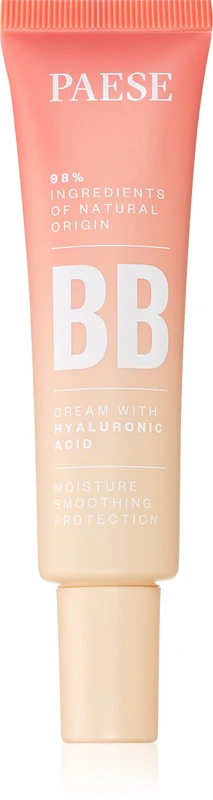
Country BB Cream with hyaluronic acid color 03 Natural 30 ml$19.00List: $24.00



Colorful Abstract Painting in Grey, Blue and Red | FAIRY DREAMS
shopify_US_2760180629604_42429803921576
$477.74Trendgallery (US)
Extra Large Original Abstract Rhino Paintings on Canvas Contemporary Art Textured Oil Painting | RAW POWER 32"x32"
shopify_US_7553960607912_42673768890536
$628.34Trendgallery (US)
Abstract Painting On Canvas Gold Leaf Contemporary Art Wall | GLOWING SKY
shopify_US_3330024046692_42448295264424
$549.40Trendgallery (US)
Large Abstract Colorful Love Painting On Canvas Original Texture Painting Modern Oil Artwork Contemporary Art | LOVE GRAFFITI
shopify_US_6727844659368_42453618983080
$614.44Trendgallery (US)
Abstract Painting in Grey, White and Gold Leaf | SOMEWHERE IN THE HEAVEN
shopify_US_2760305148004_42448415260840
$549.40Trendgallery (US)
Original Schnauzer Painting on Canvas Miniature Schnauzer Wall Art Personalized Artwork Dog Painting for Aesthetic Room Decor | MINIATURE SCHNAUZER 40"x40"
shopify_US_6975239618728_42521117753512
$828.96Trendgallery (US)
Original Abstract Colorful Paintings On Canvas Textured Blue Painting Hand Painted Art Acrylic Oil Painting | DIMENSION 31.5"x43.3"
shopify_US_7491687579816_42491152466088
$1075.92Trendgallery (US)