This course provides an in-depth understanding of the dynamics of various chemical reactions. Study how to calculate the rate of disappearance of reactants. It is important to understand the prediction of how a rate of a reaction can depend on the concentration of reactants. Before calculating the order of a chemical reaction it is crucial to recognize the different factors that affect the reaction rate. This course takes you through examples of problems in the rate of reaction their measurement as well as the required procedures when the rate is given. It introduces you to the effect of surface area and concentration or pressure on reaction rate. Have you considered the impact of temperature and the influence of catalysts on reaction rate? This course shows you the different ways of determining the rate law or the order of the reaction as well as how to use the concentration approach.If you want to know how to calculate the appearance of products and the effect of surface area on reaction rate then you should take this course. You will be able to explain the concepts of chemical equilibrium and equilibrium in the physical process together with equilibrium in a constant expression. Also this course will help you understand the representation of the equilibrium constant for reversible reactions and equilibrium shifts for gases. Do you know there are factors that affect equilibrium and the oxidation number of an element in a compound? The material also analyzes Le Chatelier’s principle as well as the effect of concentration on equilibrium and equilibrium constant. It outlines the effect of changing the reactant and product concentration on the direction of the reaction. You will be able to explain how reduction-oxidation reactions and the set rules of the oxidation number can be assigned.Furthermore you will learn about the procedure for balancing redox reactions using the half-reaction or ion-electron. This course takes you through how to predict the spontaneity of redox reactions and the redox and electrode process of values. You will also be able to describe electrolysis the electrolytic cell and the electrolysis of sodium chloride. Do you know there are special differences between electrolytic cells and voltaic cells? This course helps you understand the schematic of galvanic cells how to write balanced nuclear equations and the products of nuclear reactions. Explore the properties of the different types of radioactive particles the concept of half-life the types of radioactivity and nuclear emissions. This course will be of great interest to students studying chemical kinetics redox equations and nuclear reactions as well as those preparing for the AP (Advanced Placement) chemistry exams. Register now and start your next learning journey today!
AP Chemistry: Chemical and Nuclear Reactions
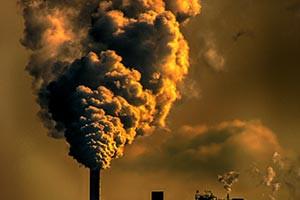
AP Chemistry: Chemical and Nuclear Reactions
Sold by:
Similar Products













Sponsored
Perris In Riviera Eau de Parfum 100 ml$398.00List: $498.00

Compare prices from 2 stores


Sponsored
Chloé Chloe eau de parfum gift box 75 and Chloe eau de parfum mini 20 ml purse pack$148.00List: $185.00